

About Morne Seychelles National Park
Morne Seychelles National Park is the largest protected area on Mahé, covering much of the island's forested interior. It is a hiking and nature destination rather than a developed attraction, preserving a landscape of mist-covered ridges, sheltered valleys, and dense tropical vegetation. The park is home to Morne Seychellois, the highest point in the Seychelles archipelago, and contains an exceptional range of ecosystems compressed into a relatively compact mountain terrain.

Trails and Ecosystems of Morne Seychellois
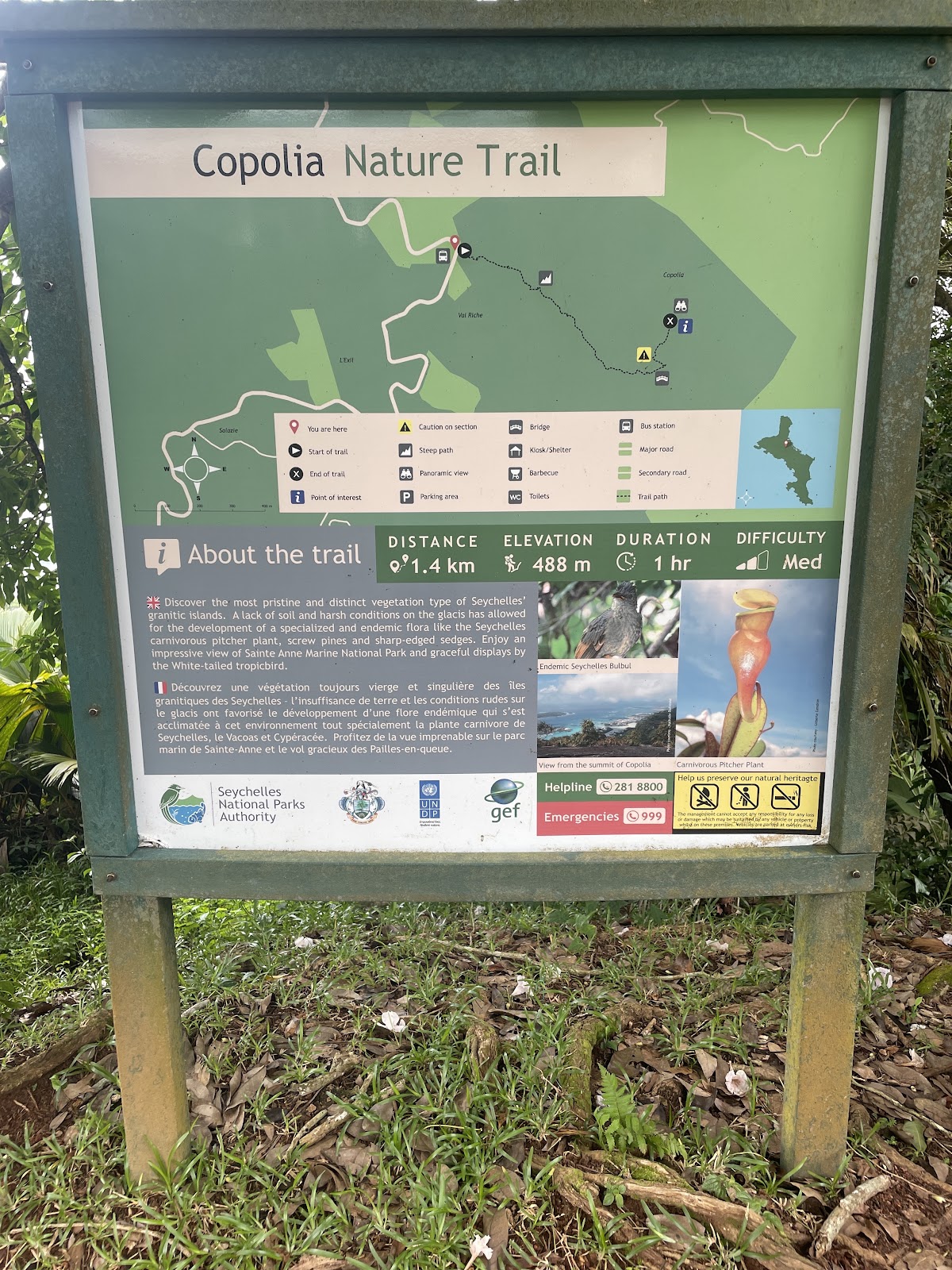
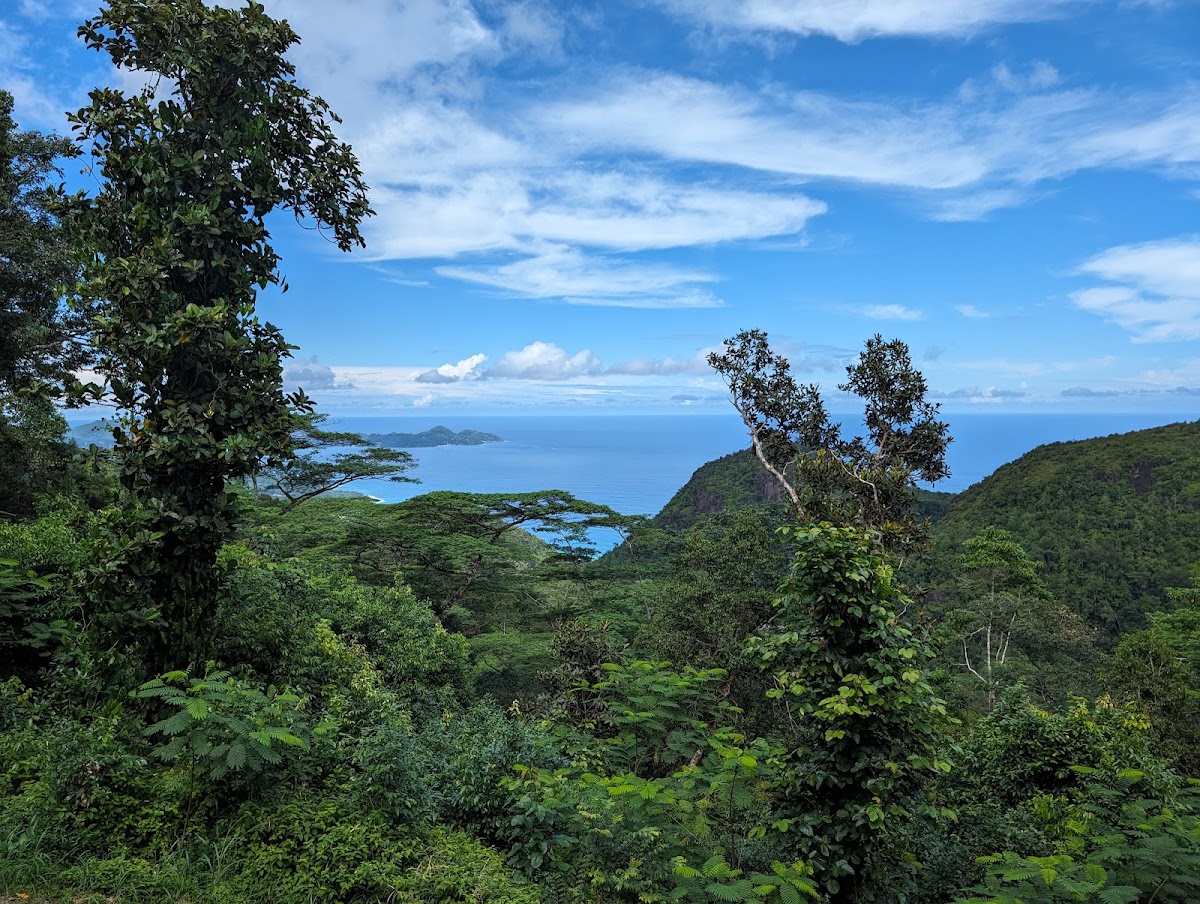
The park supports a network of marked trails suited to different fitness levels, from gentle forest walks to more demanding ridge climbs approaching the summit. Vegetation shifts noticeably with elevation: lower slopes support dense tropical forest thick with endemic palms and ferns, while higher ground gives way to mist forest, where mosses and orchids cling to gnarled trees in the cooler air. Birdlife is present throughout, and the park provides important habitat for several species found only in Seychelles. The trails are quiet by regional standards, offering a genuine sense of immersion in undisturbed forest.

Reaching Morne Seychelles National Park
The park is accessible from several points on Mahé, with trailheads reachable by rental car or public bus along the island's road network. Visitors should wear sturdy footwear, carry water, and be prepared for sudden weather changes at higher elevations, where rain and mist are common even in drier months. IslandTour Seychelles, a Mahé-based family business operating licensed 7-seater vans, is a practical option for groups who prefer guided access to the park's trailheads.
- Wear closed-toe shoes with grip for rocky and rooted trails
- Carry sufficient water, as no facilities exist on the trails
- Mornings generally offer clearer conditions before cloud builds on the upper peaks
- Some trails require a reasonable level of fitness, particularly those approaching the summit

📷 Photos
📍 Location
9C29+FQ5, N.Y.S. Village, Seychelles, Le Niol, Mahé, Seychelles Get Directions
🗺 Is the pin in the wrong place? We'd really appreciate your help — drag the marker to the correct spot and let us know. We review every suggestion and update the listing when it checks out.
💬 Reviews & Ratings
Know something about this entry?
Rate it, share what you know, or both — anything you know about this business, recent updates, or your experience. Submissions appear after moderation.
Frequently Asked Questions
How do I get to Morne Seychelles National Park from Victoria or the main coastal areas of Mahé?
The park is accessible via the Le Niol district in Mahé's forested interior, reachable by private car or taxi along the cross-island roads that connect the west and east coasts. Mahé's public bus network serves several routes that pass near trailhead entry points, though schedules can be infrequent, so checking current timetables in advance is advisable. Renting a car at SEZ airport is a practical option for those who want flexibility in timing their visit.
Does Morne Seychelles National Park charge an entrance fee or require a permit to hike the trails?
Visitors should confirm the current fee structure directly, as national park access policies can change. For the latest information on any entry fees or trail permits, the Island Tour Seychelles website is a useful starting point, and the relevant Seychelles national parks authority can also be contacted for official confirmation.
Is Morne Seychellois, the highest peak in the Seychelles archipelago, actually reachable on a day hike?
Yes, the summit of Morne Seychellois is accessible via the park's marked trail network, though the ridge climb approaching the peak is described as one of the more demanding routes and requires a reasonable level of fitness. The park contains trails suited to different abilities, so hikers who are not aiming for the summit can still explore the forested lower slopes and valleys on shorter, gentler paths. Starting early in the day is recommended to allow sufficient time and to avoid afternoon heat.
What is the best time of year to visit in terms of weather, and does the park's elevation affect conditions on the mountain?
Mahé has a wetter season roughly from November to March and a drier, calmer period from May to September, with the latter generally preferred for hiking. Morne Seychelles National Park's higher elevations are notably cooler and frequently mist-covered even during drier months, which can affect visibility on the upper ridges. Visitors should be prepared for rapid weather changes regardless of the time of year.
What should I bring or wear for a hike in the park?
Sturdy, closed-toe footwear with good grip is strongly advised given the steep and sometimes muddy terrain on the higher trails. Lightweight, moisture-wicking clothing is suitable for the lower tropical forest sections, while an additional layer is useful for the cooler, mist-prone ridgelines at elevation. Carrying sufficient water, sun protection, and insect repellent is also recommended.
Are there toilet facilities, rest areas, or food and drink options inside the park?
Morne Seychelles National Park is described as a hiking and nature destination rather than a developed attraction, which means amenities inside the park are limited. Visitors are advised to bring their own food and water and not to rely on facilities being available along the trails. Confirming what infrastructure exists at specific trailheads before visiting is recommended via islandtourseychelles.com.
Can I observe endemic wildlife or distinct vegetation zones during a hike, and does the experience change noticeably with altitude?
Yes, the park's description notes that vegetation shifts clearly with elevation: the lower slopes support dense tropical forest with endemic palms, while higher terrain transitions into different ecosystem types as altitude increases. The park is documented as containing an exceptional range of ecosystems compressed into a relatively compact mountain area, making it possible to move through distinct zones within a single hike. Visitors with an interest in endemic flora and fauna are advised to research trail routes in advance, as different paths access different habitats.

Don't see your business listed?
Add your business to the Commercial Register — it takes less than a minute and your listing goes live after our team reviews it.
+ Add your business