

About Pointe Cocos
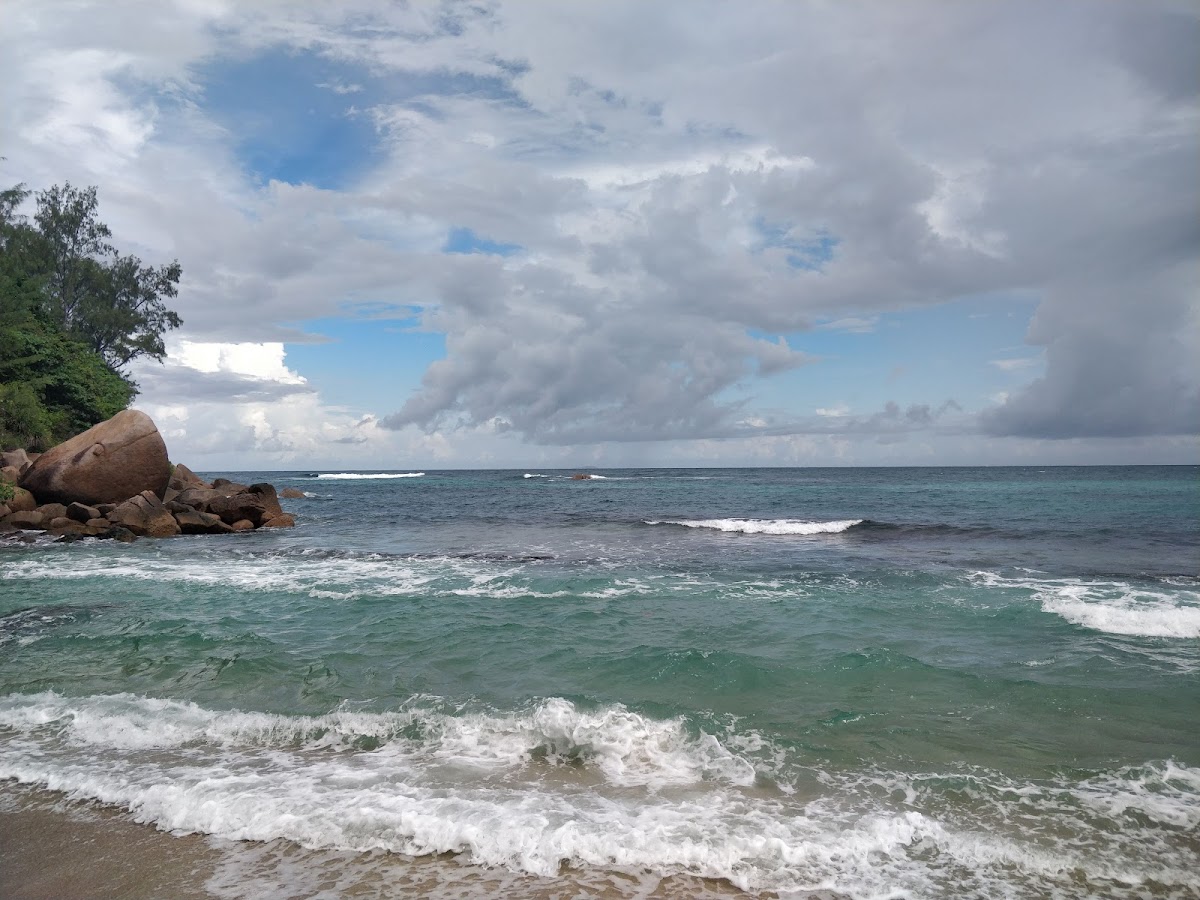
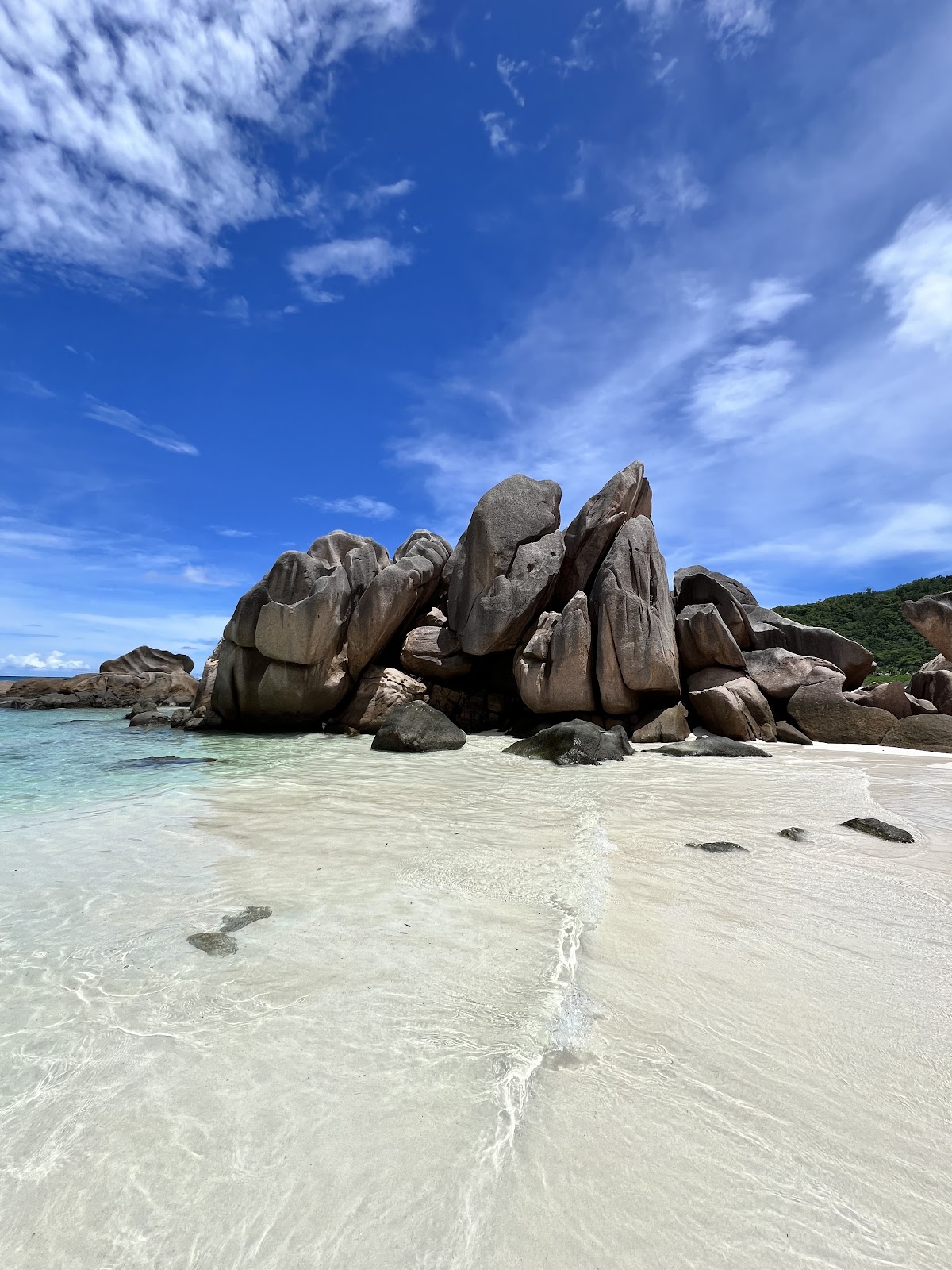
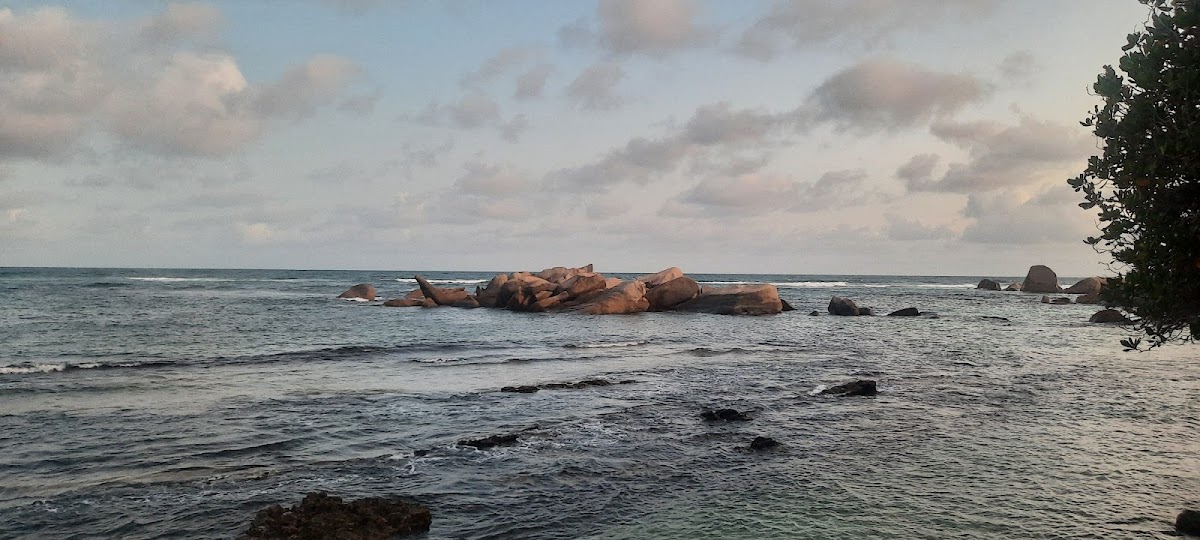
Pointe Cocos is a natural coastal headland at Cap Samy, on the northeastern fringe of Mahé, the largest island in the Seychelles archipelago. It is an undeveloped scenic feature rather than a formal attraction, characterized by the granite outcrops, dense tropical vegetation, and open sea views that define much of Mahé's more remote shoreline. Visitors come for the landscape itself: a quiet meeting point between land and the Indian Ocean, away from the busier stretches of the island.

Scenery and Atmosphere at Pointe Cocos
The headland sits where the coastline pushes out into open water, giving unobstructed views along the surrounding bays and across the sea. Takamaka trees and coconut palms frame the rocky shore, providing shade and a sense of seclusion. The area is calm by nature, with little development nearby, which makes it suited to quiet observation of the coastal environment. Seabirds are a common presence along headlands of this type, and the interplay of granite boulders with the turquoise water is visually distinctive even by Seychelles standards. It is a place better experienced slowly than passed through quickly.

Reaching Pointe Cocos from Mahé
The Cap Samy area is accessible by rental car along Mahé's coastal road network, and the public bus service on the island covers routes in this direction. For visitors without their own transport, IslandTour Seychelles, a fully licensed, family-run Mahé operator, provides small-group tours by 7-seater van that can include coastal points along this part of the island. Light footwear suitable for rocky ground is recommended. The headland is best visited in the morning, when light conditions are favorable and the heat is manageable.
- No entrance fee or formal facilities on site
- Sturdy sandals or light walking shoes recommended for rocky terrain
- Morning visits offer the best light for coastal views
- Public bus routes on Mahé provide access to the broader Cap Samy area

📷 Photos
📍 Location
JQQ3+8X6, Baie Ste Anne, Seychelles, Cap Samy, Mahé, Seychelles Get Directions
🗺 Is the pin in the wrong place? We'd really appreciate your help — drag the marker to the correct spot and let us know. We review every suggestion and update the listing when it checks out.
💬 Reviews & Ratings
Know something about this entry?
Rate it, share what you know, or both — anything you know about this business, recent updates, or your experience. Submissions appear after moderation.
Frequently Asked Questions
How do I get to Pointe Cocos at Cap Samy from Victoria or other parts of Mahé?
Cap Samy is on the northeastern coast of Mahé, reachable by car or taxi via the coastal roads that ring the island. The Seychelles public bus network serves many northeastern routes, though visitors should confirm the nearest stop and walking distance to the headland before travelling, as Pointe Cocos is an undeveloped site without a designated drop-off point.
Is there an entrance fee or any permit required to visit Pointe Cocos?
Pointe Cocos is described as an undeveloped natural coastal headland rather than a managed attraction, and no entrance fee or formal permit is indicated. Visitors should verify current access conditions locally, as land use rules can change for undeveloped coastal areas in Seychelles.
Does Pointe Cocos have any facilities such as toilets, parking, or refreshments on site?
As an undeveloped scenic headland, Pointe Cocos has no listed facilities — no toilets, parking areas, or food and drink vendors are mentioned. Visitors should plan accordingly and bring anything they need before arriving at the site.
What should I bring or wear when visiting this coastal headland?
The rocky granite shoreline and dense tropical vegetation typical of Pointe Cocos make sturdy footwear advisable, particularly if exploring beyond the main viewing area. Sun protection, water, and insect repellent are practical additions given the exposed coastal environment and lack of on-site amenities.
What is the best time of year to visit Pointe Cocos given Mahé's weather patterns?
Mahé experiences two main seasons: the calmer, drier southeast trade wind season roughly from May to October is generally more suitable for coastal visits, with lower humidity and clearer sea conditions. The northwest monsoon period from November to March brings heavier rain and rougher seas, which may limit the open water views that make Pointe Cocos worth visiting.
The description mentions Pointe Cocos sits where the coastline pushes out into open water — does that mean it offers views in multiple directions, and is it a good spot for watching sea conditions along the northeastern shore?
Because the headland extends into the sea at a point where land meets open ocean, it does provide unobstructed sightlines along the surrounding bays as well as outward across the Indian Ocean, making it a naturally elevated vantage point compared to the stretches of coastline on either side. This positioning on the northeastern fringe of Mahé also means it faces a different exposure to swell and wind than the more sheltered western and southern coasts of the island.

Don't see your business listed?
Add your business to the Commercial Register — it takes less than a minute and your listing goes live after our team reviews it.
+ Add your business