

About La Digue Veuve Reserve
La Digue Veuve Reserve is a small protected woodland and wildlife refuge situated near La Passe on the island of La Digue. Unlike the island's celebrated beaches and granite coastlines, this reserve offers a quieter, shadier environment dedicated to conservation. Its primary purpose is to protect native habitat, making it a naturalistic destination suited to visitors interested in wildlife and endemic species rather than recreational amenities.

Spotting the Veuve at La Digue Veuve Reserve
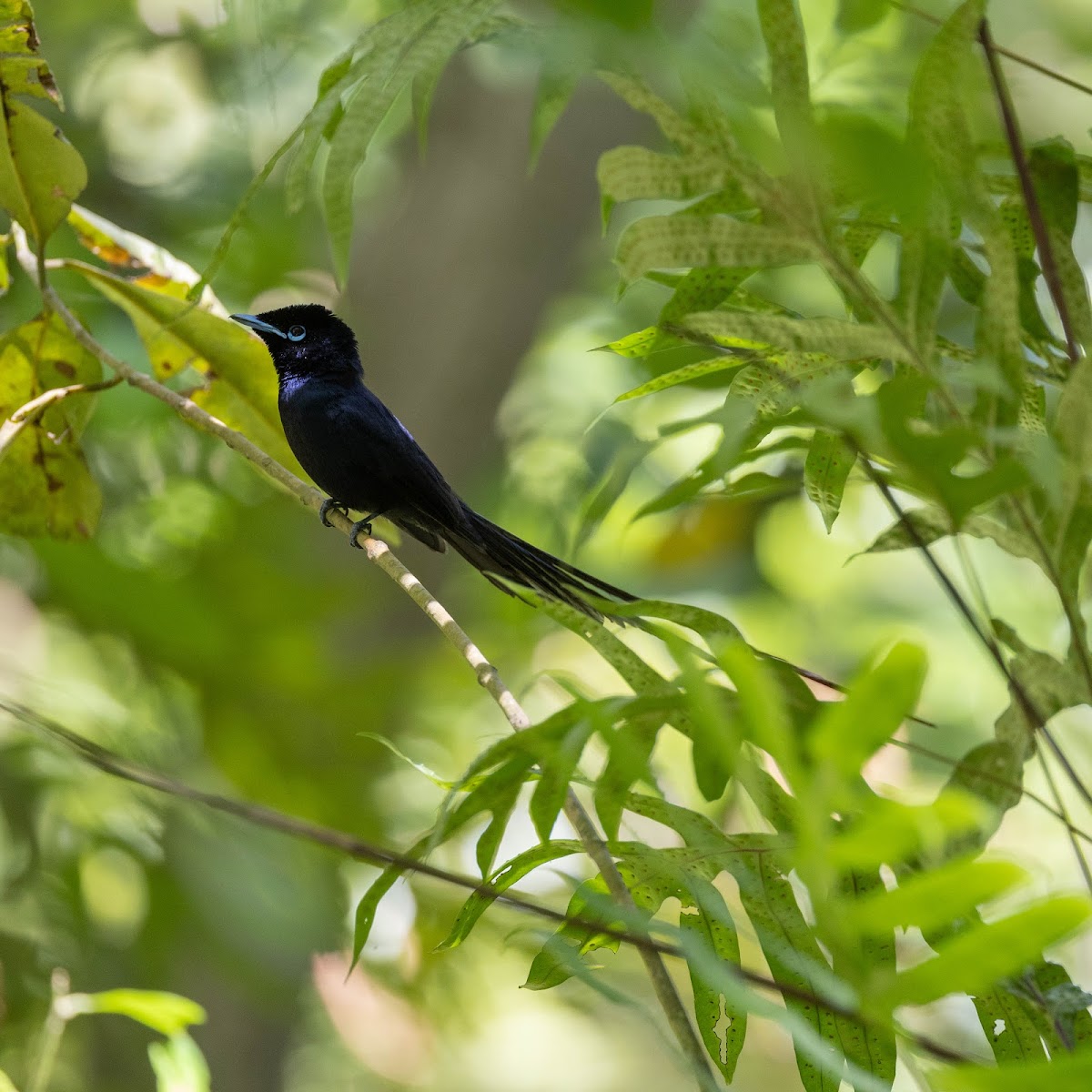
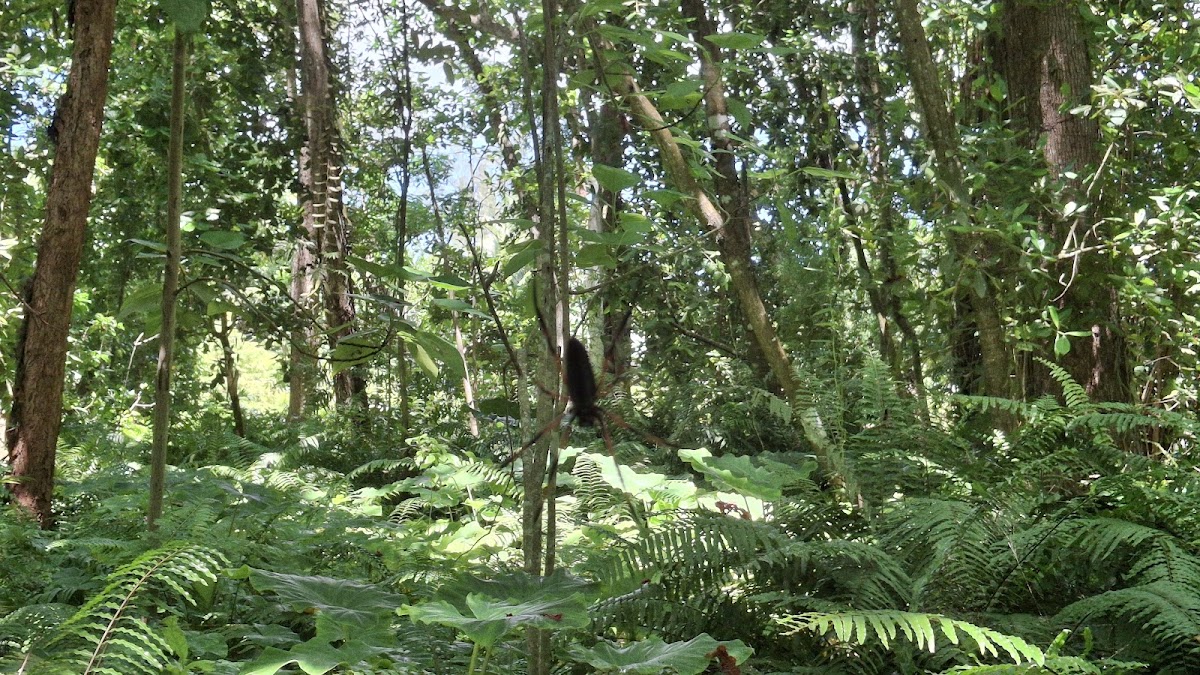
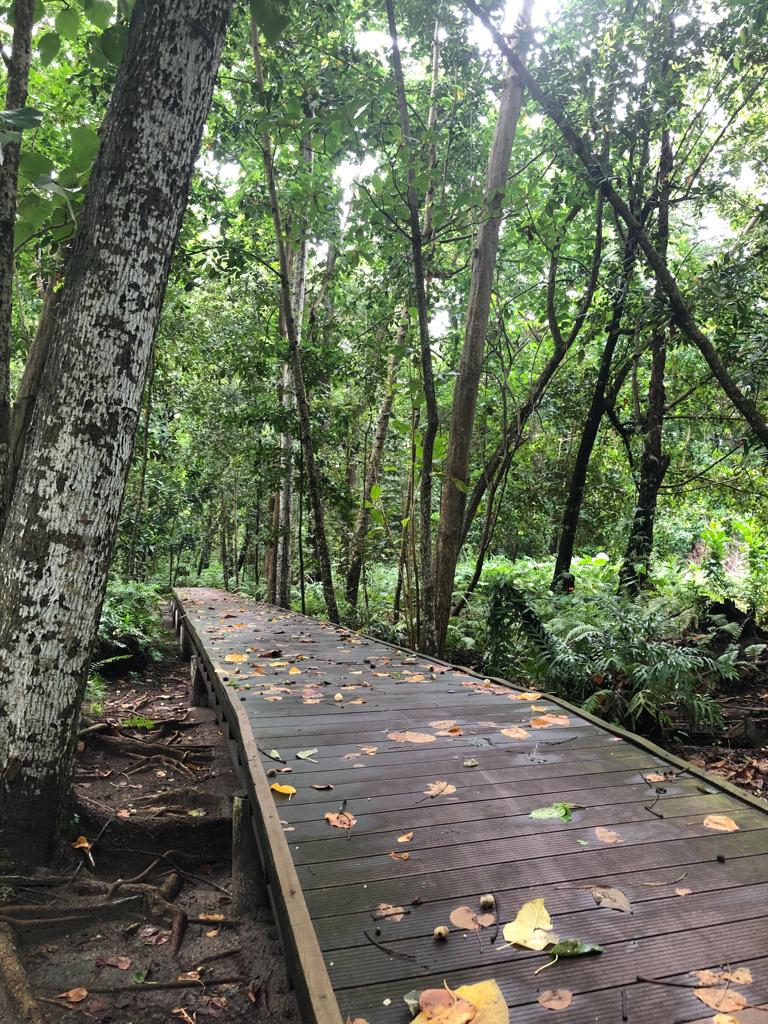
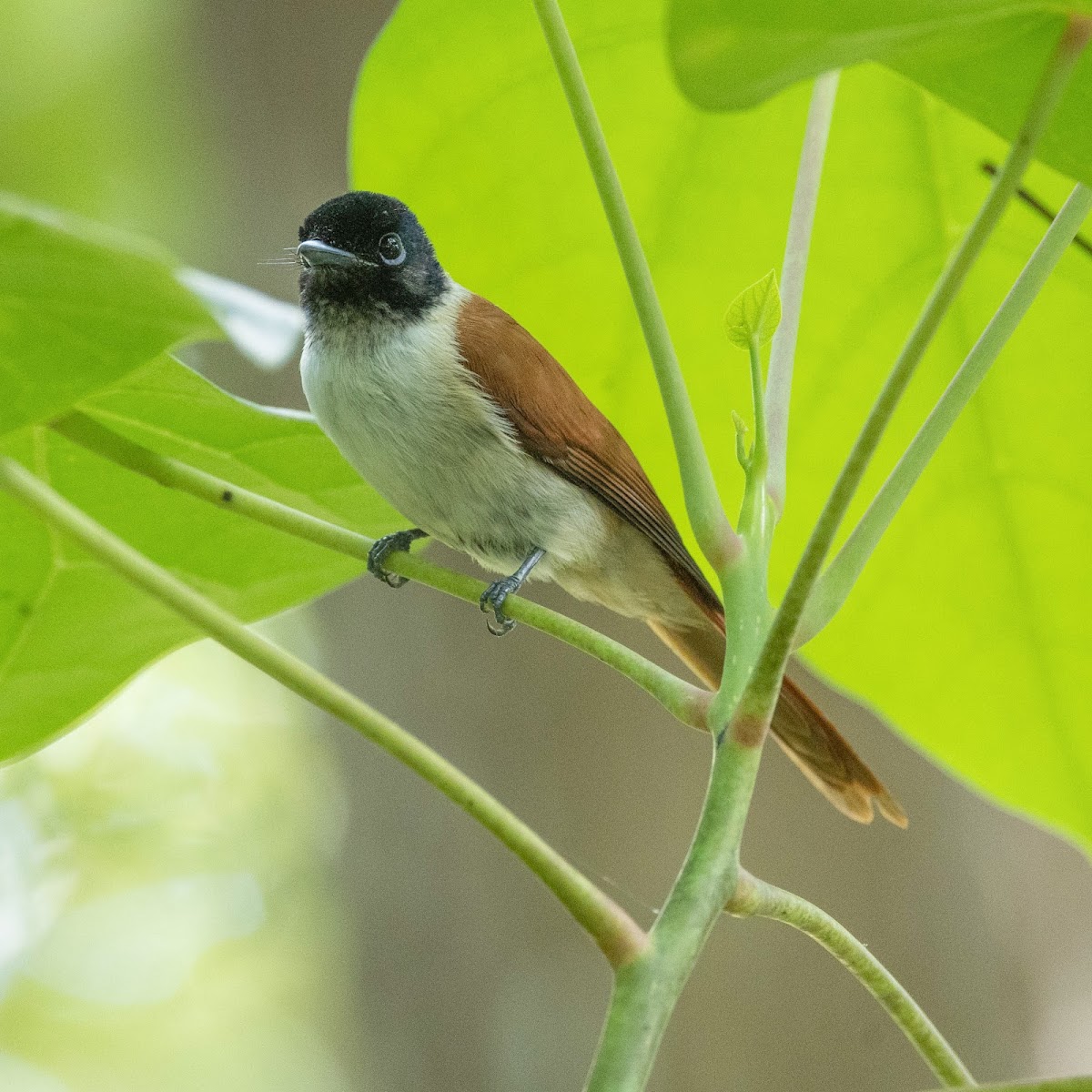
The reserve centers on a low-lying woodland of native takamaka and badamier trees, with marshy patches that support a range of bird and plant life. The defining draw is the Seychelles black paradise flycatcher, known locally as the "veuve," one of the world's rarest endemic birds. The male, with its long trailing tail feathers, is a striking sight when spotted moving through the canopy. Marked footpaths guide visitors through the woodland, and informational panels provide context on the flycatcher and the broader ecosystem. The atmosphere is calm and unhurried, more akin to a nature walk than a managed attraction.

Visiting the Reserve on La Digue
The reserve is accessible on foot or by bicycle, both common ways of getting around La Digue. Bicycle hire is widely available near the ferry jetty at La Passe, and the reserve is a short ride from there. Morning visits tend to offer the best chance of bird activity. Visitors should bring insect repellent, as the marshy ground can attract mosquitoes. Light, quiet clothing is advisable to avoid disturbing wildlife.
- Accessible by bicycle or on foot from La Passe ferry jetty
- Best visited in the morning for bird activity
- Bring insect repellent due to marshy surroundings
- Wear quiet, muted clothing to avoid disturbing birds

📷 Photos
📍 Location
JRRJ+WCP, Anse Reunion, Seychelles, La Passe, La Digue, Seychelles Get Directions
🗺 Is the pin in the wrong place? We'd really appreciate your help — drag the marker to the correct spot and let us know. We review every suggestion and update the listing when it checks out.
💬 Reviews & Ratings
Know something about this entry?
Rate it, share what you know, or both — anything you know about this business, recent updates, or your experience. Submissions appear after moderation.
Frequently Asked Questions
Does the Veuve Reserve charge an entrance fee or require any permit to enter?
Available sources do not confirm a fixed entrance fee for La Digue Veuve Reserve, and requirements may change. Expats or frequent visitors planning regular access should contact the relevant Seychelles conservation authority directly to confirm current fee structures or any permit conditions before visiting.
Is the reserve accessible year-round, or are there seasonal conditions that affect a visit?
La Digue has a tropical climate with a wetter northwest monsoon season roughly from November to March, which can make the reserve's marshy, low-lying woodland more saturated underfoot. The drier southeast trade wind season, approximately May to October, generally offers more comfortable conditions for walking through the native takamaka and badamier tree habitat.
Can the Seychelles black paradise flycatcher actually be spotted reliably here, and does the time of day matter?
The reserve near La Passe is one of the last strongholds of the veuve, and sightings are considered more probable here than almost anywhere else given its protected status. Early morning visits typically offer the best chance of observing birds before heat and visitor activity increases, though sighting is never guaranteed for a wild, endemic species.
How does an expat based on La Digue get to the reserve without a car?
La Digue is largely car-free, so the standard transport options are bicycle hire or ox-cart, both widely available near the La Passe ferry jetty. The reserve is situated close to La Passe itself, making it reachable on foot or by bicycle from the main village without difficulty.
What facilities or amenities are on-site at the reserve?
La Digue Veuve Reserve is described as a naturalistic conservation site rather than a recreational venue, and the listing does not indicate developed facilities such as toilets, a café, or a visitor centre. Those requiring amenities should plan to use services in La Passe village before or after their visit.
What should a resident planning a repeat visit bring or wear for walking through the reserve's woodland and marshy areas?
Closed footwear with grip is advisable given the marshy patches within the low-lying woodland, and light, long-sleeved clothing helps with both sun protection and insects. Binoculars are useful for observing the veuve and other bird species without disturbing them.
For a visitor arriving from Praslin, what is the ferry situation and how does that affect planning a trip to the reserve?
La Digue is reached by Inter-Island Ferry from Praslin, with crossing times typically under an hour, though schedules should be confirmed in advance as they are subject to change. Since the reserve is near La Passe where the ferry docks, it can reasonably be visited on a day trip from Praslin if the ferry timetable allows sufficient time ashore.

Don't see your business listed?
Add your business to the Commercial Register — it takes less than a minute and your listing goes live after our team reviews it.
+ Add your business